
Letting Go of the Worship of Wounds
Dear Church Family,
I’m so grateful for our effort with Operation Christmas Child! What a great opportunity to share the Gospel all around the world. Praying for each child as they receive the shoeboxes and more importantly the Gospel. Hope you all have a great Thanksgiving week. It’s time again for my periodic warning against any strange emails you may get pretending to be me. This is a common scam where they steal a pastor’s email contact list and then send emails asking for gift cards. Hope you will ignore these.
I loved this devotional by Chad Bird about forgiveness and I believe it will encourage you:
When we invite people into our lives, we show them the architecture of our hearts. We take them on a tour of our family rooms of joy, offices of labor, kitchens of memories. These are sunlit and smiling places.
But for many of us, there is also another, secret room: a dimly lit space where the stale smell of rotten history clings to the air. Stapled onto its walls are crumpled memories and ugly faces. Its floor is littered with a collage of dried tears and shards of broken hearts.
This is our retribution shrine, where we invoke painful memories of back-stabbing friends, abusive parents, bullying classmates. Here we willingly pay our tithes of anger, resentment, and hate. Here we preach to ourselves I will not forgive you. Not now. Not ever. I will get even.
There have been times in my life where, because of my own hurts and losses, I built such a retribution shrine in my own heart. You too?
How much better, for everyone, if we pray, mean, and do what our Lord taught us: “Forgive us our trespasses as we forgive those who trespass against us.”
It will hurt, to be sure, because forgiveness means something has to die. Our hate and anger and resentment have to die. Our desire to control and manipulate the other person has to die. We will die. It will hurt because it entails letting go of our worship of wounds.
It will means we stop paying tithes to the deity of daydreams of revenge.
What will surprise us, what will even shock us, is what happens after this death. Rather than finding ourselves empty and alone and purposeless in a solitary grave, we will discover life on the other side of forgiveness.
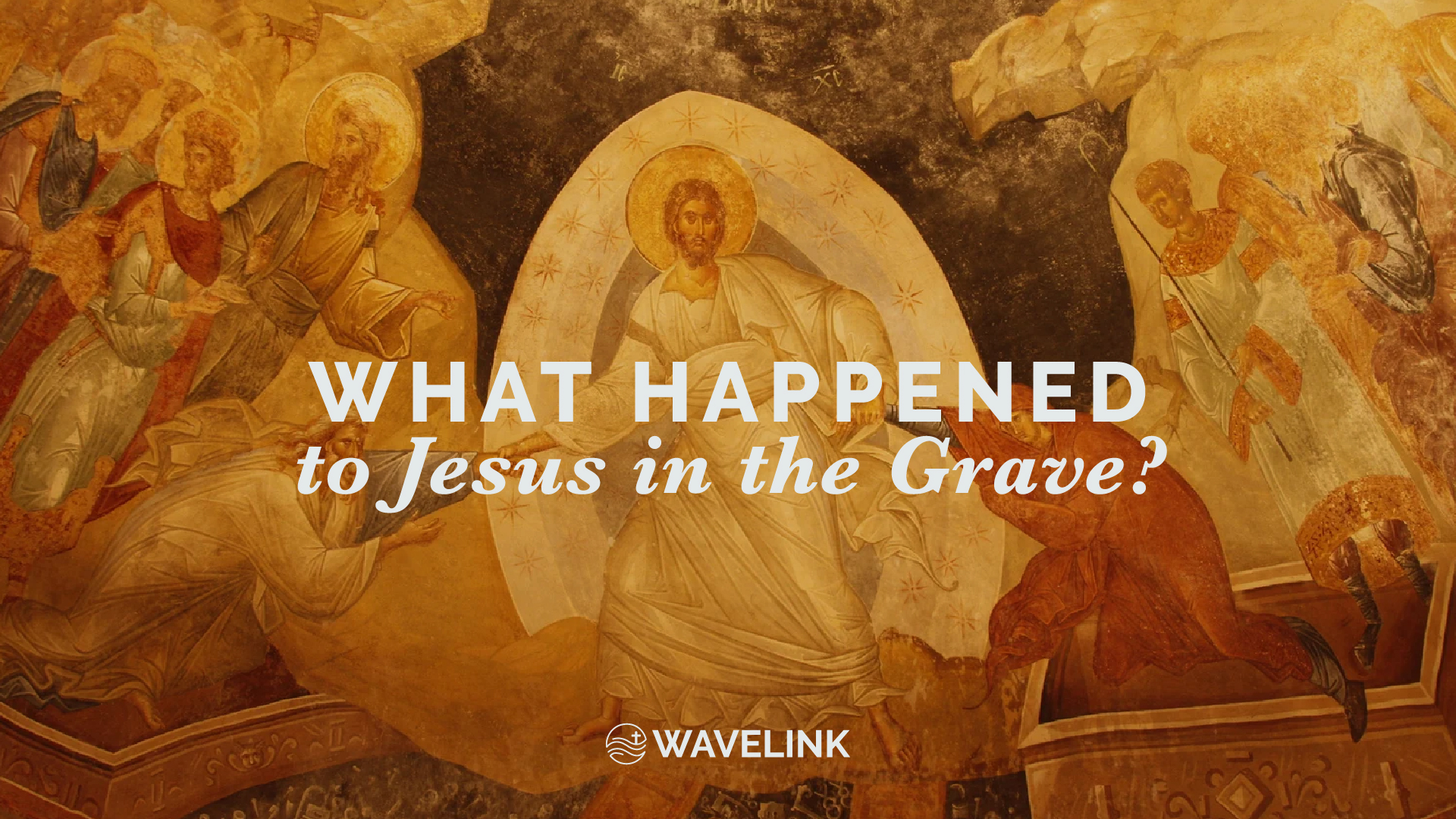
For on the other side of the death of forgiveness is the resurrection of joy. An Easter in which we emerge from the tomb in the arms of the Savior, whose scars glow with mercy.
We find ourselves staring into the smiling face of the Lord Jesus who, unbeknownst to us, was at work in us all along to bring us out of the dark and dank retribution shrine into the brilliant house of his Father’s grace.
In Christ, we are free not only to forgive but to love. Instead of lifting our fist to strike someone, literally or metaphorically, we lift our hands in prayer. We no longer speak ill of them, but speak of their needs to the heart of our Father.
Those faces that were iconic of hate become those who bear the image of God, those for whom Christ died, those who—along with us—are included in the sacrificial magnum opus of Good Friday.
In the sacrificial love of Jesus, whose hands were bound to the cross, whose feet were fettered with nails to the wood, we find healing, freedom, and love.
Press On!
Mark
Upcoming Events