Dear Church Family,
I’m writing this on the heels of another great Vacation Bible School. Jim and Kathy Horn and Mark and Dawn Weeks were stellar in leading us. The other volunteers were also incredible. I think about our crew leaders and how they encouraged the kids so well. Annette Stull and I have shared the Gospel each year and we celebrate 84 children making a decision to trust Christ as their Savior! Pastor Jim will follow up and offer classes and contact their families. We also know some may have simply taken a step closer to a decision which will come some day. Thank you church family for praying, providing, and participating (to borrow from Pastor Paul Rummage’s charge). I read the following article from Chad Bird and I thought it might encourage you—
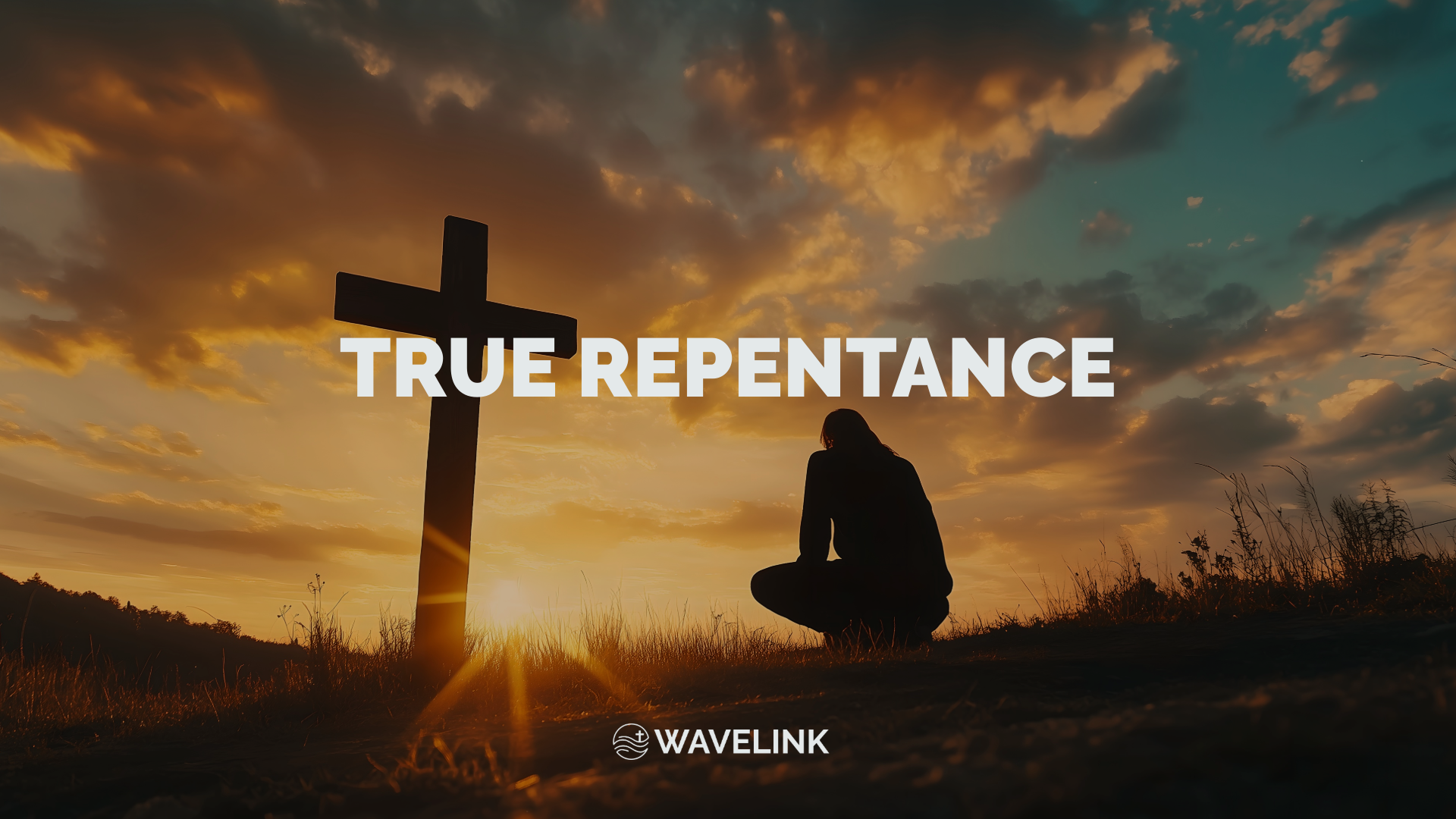
Most people have a stunted definition of repentance. Repentance is not just feeling sorry for what you’ve done. Repentance is not feeling sorry for what you’ve done, and wanting to correct the mistake. Repentance, in fact, is not just feeling sorry for what you’ve done, wanting to correct your mistake, and never doing it again, and stopping that bad thing that you’ve been doing. That’s a stunted definition of repentance. Repentance has two different parts. The first is, yes, feeling sorry for what you’ve done, contrition, stopping what you’re doing. Yes, that is certainly one part of repentance, but a lot of people, even non-Christians, do that. They’ve been doing the wrong thing, they feel bad, they stop, they feel contrition over that. That’s not repentance, that maybe fits a secular definition of repentance, but that’s not biblical repentance. Biblical repentance has two parts: contrition, sorrow of your sin, and this most important part—faith in the forgiveness of Jesus Christ for that sin.
Both contrition and faith are repentance, and that’s why, for instance, Judas, even though he obviously felt sorry for what he had done, in fact he even said, “I have sinned by betraying innocent blood,” was not repentant because he didn’t believe in the forgiveness of Jesus Christ.
Peter, on the other hand, denied Jesus three times, but he was restored to Christ. He believed in the forgiveness of sins. Judas was not repentant, Peter was, and it had nothing to do with how bad one or the other felt. It had everything to do with this primary aspect of repentance, which is faith in the forgiveness of sins. Repentance, therefore, is not just feeling bad for what you’ve done, wanting to correct it, stopping what you’re doing, and making amends. No, that’s only half repentance. The true, and the better, the most important part of repentance is trusting that that sin that you’re repenting of has been forgiven by the blood of Jesus Christ, and indeed it has.
Therefore, repent, feel sorrow for what you’ve done, stop it, make any corrections you need to, and above all, believe that Jesus Christ, when he died on the cross, shed his blood to forgive your sins, that is biblical repentance.
Press On!
Mark
Upcoming Events