Dear Church Family,
As we finish up our fiscal year at the end of the month, I want to thank all of you who support the ministry here at Lakeside. I’m proud to be your pastor as we continue to strive to reach Granbury, Hood County, Texas, the United States, and to the uttermost parts of the earth with the Gospel. I’m grateful for each and every ministry no matter how big or small because nothing is small in God’s economy. I’m also grateful for those of you who lead in any way. Leadership is simply influence and I know many of you plant the seeds of the Gospel each week. I found a great devotional by Chad Bird which I hope will encourage you all—
Long before the Word became flesh, the Word of God was already appearing to his people.
In the Old Testament, the Son appears as the Messenger of the LORD, the Wisdom of God, the Son of Man, the Commander of the LORD’s hosts, and the Word of the LORD.
The Hebrew word davar (דָּבָר) usually means “word,” but it can also mean “thing” or “matter.” That double meaning becomes fascinating when Scripture describes the “word of the LORD” not merely being spoken, but actually appearing and acting.
In Genesis 15, “the word of the LORD came to Abram in a vision” (15:1). This Word speaks with Abram, but then does something surprising: “he brought him outside” to look at the stars (15:5). The Word is not merely heard. He is seen, moving and interacting with Abram.
Something similar happens with Samuel. We are told that “the word of the LORD was rare” because “there was no frequent vision” (1 Sam. 3:1). Then Yahweh “came and stood” before Samuel (3:10). The chapter concludes that “the LORD revealed himself to Samuel at Shiloh by the word of the LORD” (3:21).
Then consider Jeremiah. “The word of the LORD came” to him (Jer. 1:4), but this Word does more than speak. “The LORD put out his hand and touched my mouth” (1:9). The Word is heard, seen, and even touches Jeremiah.
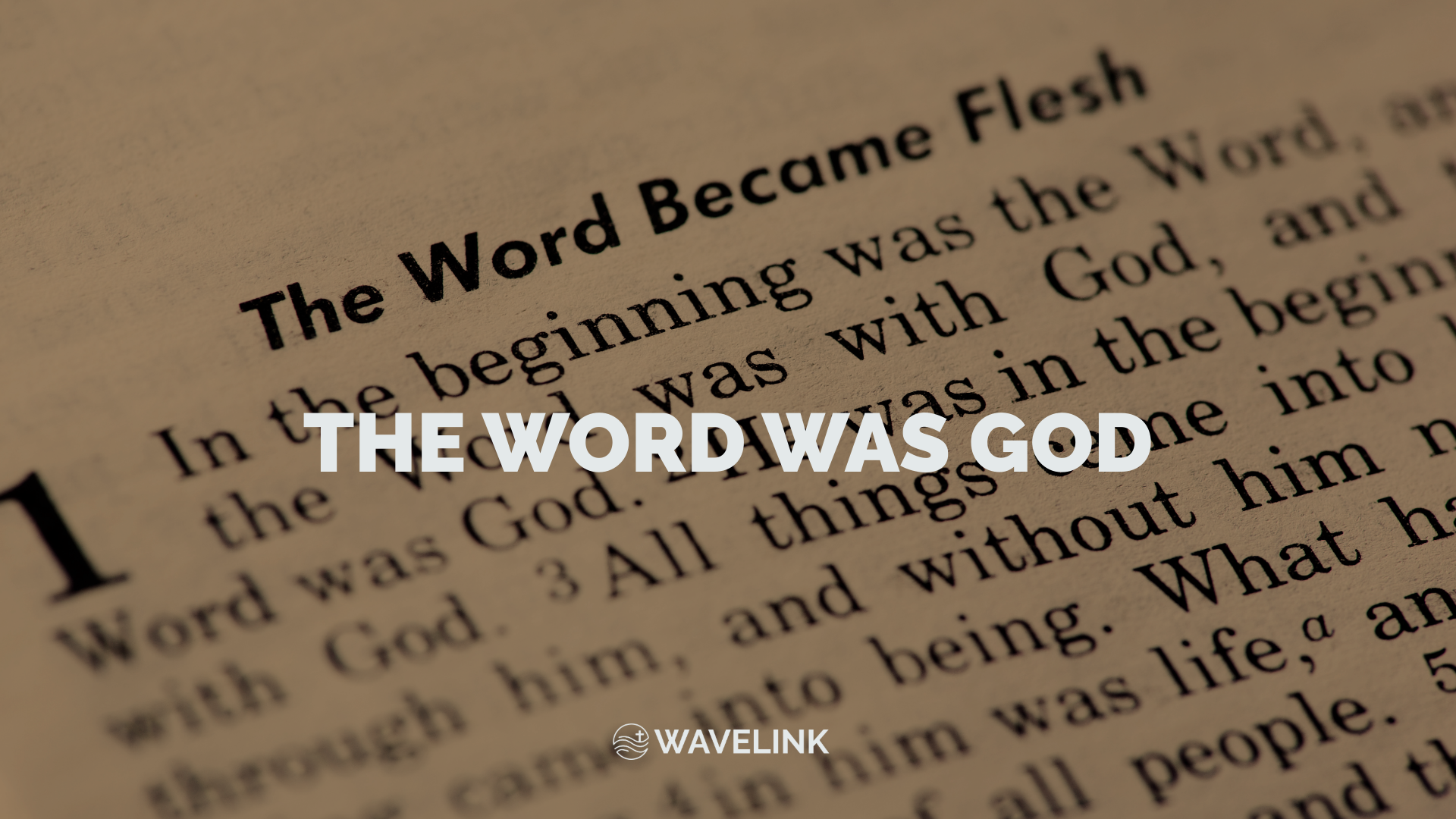
These passages prepare us for what we read today in Bible in One Year: “In the beginning was the Word, and the Word was with God, and the Word was God…. And the Word became flesh and dwelt among us” (John 1:1, 14).
John’s language did not come out of nowhere. He didn’t invent it. John was a faithful student of the Torah and Prophets. He knew that long before the Word became flesh permanently in the incarnation, the Word had already appeared temporarily in human form to many believers in the Old Testament.
As Christians in the Scottish Highlands used to say to David Murray, “Christ enjoyed trying on the clothes of his incarnation.”
These Old Testament appearances of the Son were dress rehearsals for Bethlehem.
Press On!
Mark
Upcoming Events




kids, youth, choirs, Wednesday Dinners, and Bible studies!